What if choosing a neighborhood could make your everyday life easier, calmer, and more fun? In San Antonio, it can. With big-city energy, a wide range of home styles, and commutes that vary by corridor, where you live shapes how you live. In this guide, you’ll see how neighborhood types align with lifestyle, housing, and travel tradeoffs so you can choose with confidence. Let’s dive in.
How San Antonio sets the stage
San Antonio spans a large area with fast-growing suburbs and a historic core. Growth tends to cluster in the north side, along major redevelopment corridors near downtown, and in Hill Country edge communities. This means you have options, from urban loft living to quiet acreage.
Jobs are spread across the region. Major employers include military and medical centers, large retail and finance headquarters, and universities. Because job centers are decentralized, the right neighborhood depends heavily on where you work and how you want to commute.
Most people drive. Key routes include I-35, I-10, I-37, plus Loop 410 and Loop 1604. These create natural zones: inside 410, between 410 and 1604, and outside 1604. Transit exists and is improving, but coverage is limited compared with transit-focused cities. Walkability is strongest near downtown and nearby districts.
Neighborhood types and fit
Walkable urban districts
Representative areas include Downtown and River Walk, Southtown and King William, the Pearl District, Tobin Hill, and La Villita. You will find lofts, condos, and restored historic homes with strong access to restaurants, arts, and nightlife.
Expect excellent walk potential near the core, short commutes to downtown jobs, and limited parking in popular blocks. Tradeoffs can include smaller yards, higher price per square foot, and some noise near entertainment areas.
Intown classic neighborhoods
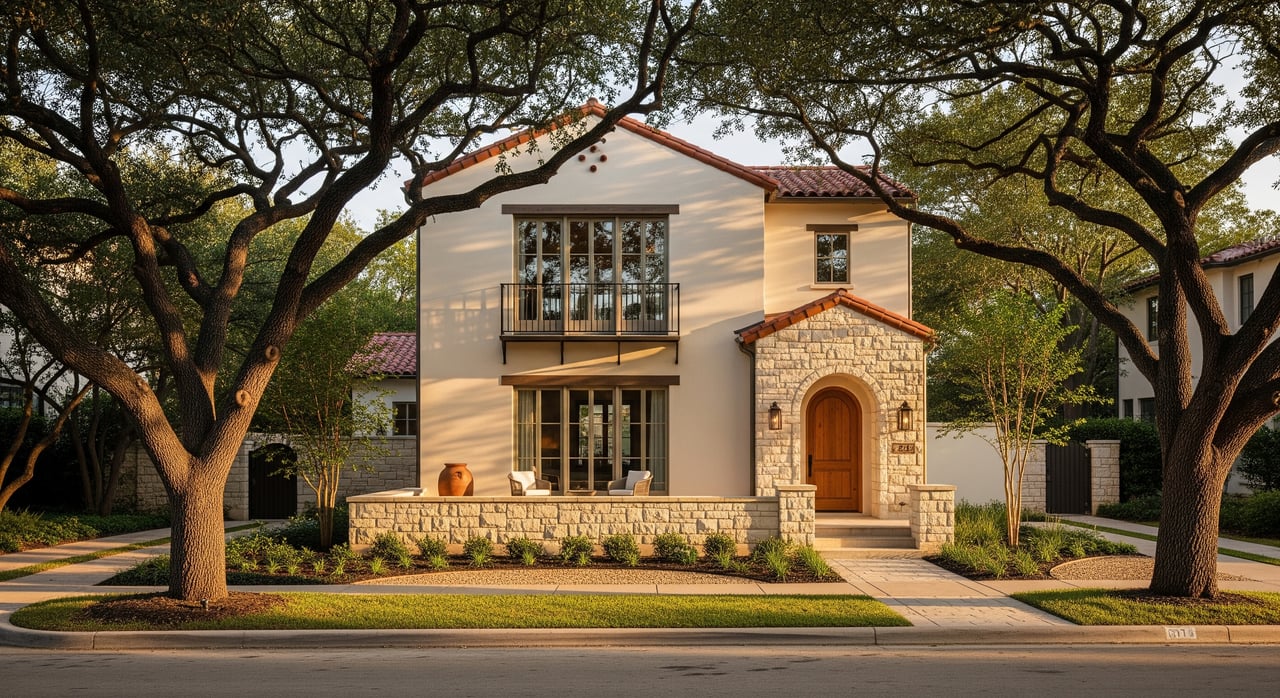
Think Monte Vista, Government Hill, Dignowity Hill, Alamo Heights, and Woodlawn Lake. Homes often include early 20th-century bungalows, Spanish or Mission-style architecture, and some duplexes and infill.
You get tree-lined streets, local parks, and quick access to central amenities. Many homes are older, so renovations and maintenance may be part of the plan. Lot sizes and zoning can vary by block.
Northside established suburbs
Popular areas include Stone Oak, The Dominion, and Sonterra, plus pockets along Huebner and the north-central corridors. Housing ranges from gated subdivisions and golf communities to luxury custom homes.
Lifestyle features often include HOA amenities, community pools, and private or public golf. Daily living is car-dependent with freeway access to major corridors. Commutes to downtown or the south side can be longer depending on time of day.
Master-planned outer ring
Look to larger developments near The Rim and La Cantera, the northeast around Cibolo and Schertz, and growth zones along and beyond Loop 1604. You will see new-construction subdivisions, active-adult options, and increasing multifamily.
These areas deliver suburban convenience with big retail, parks, and neighborhood schools nearby. The tradeoff is less historic character and more standardized builder product. Commutes can be longer if your job is across town.
Hill Country edge and exurbs
Boerne, Helotes, Bulverde, and lake or ranch areas toward Bandera offer space and scenic views. Homes often sit on larger tracts, with custom builds, ranch-style properties, and the possibility of wells or septic systems.
You trade convenience for privacy and nature. Plan for longer commutes and different utility considerations. Outdoor recreation and lower density are the draw.
Military and medical adjacent
Neighborhoods near Lackland AFB, Fort Sam Houston, Brooke Army Medical Center, and adjacent corridors offer short commutes to installations and healthcare hubs. Housing types range from older single-family to newer infill and rentals.
These areas can see higher turnover tied to base activity. Services often cater to military families. Consider aircraft noise in some flight paths and verify any access or security rules affecting daily life.
Southside and Eastside options
Parts of the South Side and East Side, including the Mission Road corridor and areas such as Highland Park and Edgewood, offer a mix of older single-family homes, duplexes, and new infill. Many blocks have strong local businesses and cultural identity.
Access to downtown is typically direct, and price-per-square-foot can be more approachable in select areas. Investment and revitalization vary by sub-area. It is important to evaluate block by block and confirm planned projects that may change the feel over time.
Match your priorities to places
Use these quick rules of thumb to narrow your search:
- If you want walkability and arts: Focus on Downtown, Southtown, King William, Pearl, and Tobin Hill. Expect vertical living, smaller yards, and vibrant street life.
- If you love historic charm near the core: Look at Monte Vista, Dignowity Hill, and Alamo Heights. Expect unique architecture and potential renovation work.
- If you want gated amenities and space: Consider Stone Oak, The Dominion, and Sonterra. Expect HOAs, private amenities, and longer trips to the south side.
- If you want newer builds and suburban value: Explore master-planned areas in the north and northeast. Expect builder floor plans and convenient retail.
- If you want land and a country feel: Explore Boerne, Bulverde, and Helotes. Expect wells or septic in some areas and longer drive times.
- If you need quick access to bases or medical centers: Target communities near Fort Sam, Lackland, and the medical corridors. Expect strong rental activity and proximity-based services.
Commute, transit, and daily flow
Your daily rhythm will track with the loops and interstates. Living inside Loop 410 often means shorter trips to the central business districts. Between 410 and 1604 can strike a balance of space and access. Outside 1604 brings more acreage and quiet but typically adds drive time.
Public transit is an option in central neighborhoods and select corridors, with bus and bus rapid transit lines serving key routes. Service frequency and coverage are more limited than in transit-first metros. If you plan to rely on transit, focus on urban districts where routes and walkability are strongest.
For a realistic picture, map your peak-hour drive from a few target neighborhoods to your most frequent destinations. A cross-town trip can take longer than a straight shot to downtown.
Home types, taxes, and HOAs
San Antonio offers everything from historic cottages and downtown lofts to new-construction tracts and Hill Country estates. Older homes deliver character and central access but may require updates. Newer homes often offer energy efficiency, modern layouts, and HOA-managed amenities.
Property tax rates and special assessments vary by city, county, district, and utility overlays. This can affect your monthly budget. HOAs are common in master-planned and gated communities, with rules that shape appearance and use. Always review CC&Rs, fees, and any special districts for homes you are considering.
Due diligence checklist before you tour
Make smarter first tours with a quick pre-check:
- Verify pricing and inventory: Review recent data through local MLS and trusted market reports to understand active listings and days on market.
- Test your commute: Run sample peak-hour routes from target neighborhoods to your job, school, or frequent destinations.
- Confirm school boundaries: Use district maps to verify exact attendance lines and review official resources for performance information.
- Check flood and utilities: Review floodplain maps, utility providers, and whether a home uses municipal services or well and septic.
- Review HOA and deed restrictions: Ask for CC&Rs, fee schedules, and rules that affect parking, pets, exterior changes, and short-term rentals.
- Look into future projects: Scan city planning notices and major transportation plans for new roads, retail, or developments that could change traffic and value.
- Consider transit and bike options: If you value alternatives to driving, confirm bus routes, frequency, and bike infrastructure near your home.
- Understand safety resources: Explore public safety statistics and consider contacting local precincts for current neighborhood-level context.
Who this approach helps most
Young professional or urban creative
You may want a lock-and-leave condo or a small historic home near culture and dining. Downtown, Southtown, Pearl, or Tobin Hill can fit. Expect higher per-square-foot pricing and lively streets.
Family focused on convenience
You may prefer single-family homes with garages, parks, and managed amenities. Northside established suburbs or master-planned communities offer space and neighborhood features. Confirm school boundaries early in your search.
Military or medical relocator
Proximity and process matter. Neighborhoods near Fort Sam, Lackland, and medical centers reduce commute stress. Renting first is common for timing flexibility, and later buying in a nearby community can minimize disruption.
Downsizer or low-maintenance seeker
Consider urban condos or patio homes with HOA-managed exteriors. Walkable districts and select master-planned communities can deliver services and amenities that simplify daily life.
Lifestyle or second-home buyer
If views and recreation top your list, explore Hill Country or lake-adjacent areas. Expect longer trips to the city, different utility systems, and a peaceful setting.
Ready to explore with a guide?
Choosing the right San Antonio neighborhood is about aligning your daily life, commute, and budget with the character of each area. A thoughtful plan makes the difference. If you want disciplined guidance backed by local expertise and a service-first team, connect with David Abrahams to map your best-fit neighborhoods and next steps.
FAQs
What are the most walkable San Antonio neighborhoods?
- Downtown, Pearl, Southtown, King William, and parts of Tobin Hill and Monte Vista offer the highest concentration of dining, culture, and transit access.
How long are typical commutes across the metro?
- Central and intown neighborhoods often have shorter trips to downtown, while exurban and Hill Country areas commonly see 30 minutes or more depending on time of day and route.
Where is new construction most common around San Antonio?
- Large master-planned communities and growth corridors are concentrated along and beyond Loop 1604, including the northwest near The Rim and La Cantera and northeast near Cibolo and Schertz.
How do school districts influence neighborhood choice?
- District lines often cross city boundaries and can affect price and community selection; always verify attendance boundaries and review official resources for current information.
What should I know about taxes, HOAs, and fees?
- Property tax rates and special assessments vary by area, and many communities have HOAs with rules and dues; review CC&Rs and fee schedules for any home you consider.
Is public transit a realistic option in San Antonio?
- Many residents drive, but central districts have bus and rapid routes with better coverage; verify specific lines and frequency if transit is important to your daily routine.