If you want a central San Antonio lifestyle with short drives, walkable pockets, and a steady lineup of arts and dining, Midtown inside Loop 1604 delivers. You get historic streets, modern infill, and riverfront trails within minutes of downtown. In this guide, you’ll learn where Midtown sits, what daily life feels like, the housing styles you’ll see, and practical tips for living here. Let’s dive in.
Where Midtown sits and why it matters
Midtown refers to the central neighborhoods just north of downtown, roughly 0.5 to 3 miles from the city center and well inside Loop 1604. The City’s planning framework highlights Midtown as a regional center with historic districts and mixed-use corridors that support future housing, transit, and public-space upgrades. You can explore the focus areas and corridors in the City’s Midtown Regional Center plan.
This part of town blends tree-lined residential blocks with activity streets and cultural anchors. It feels urban in the best way, yet still neighborhood-scale and approachable.
Daily rhythm: a walkable loop
Morning near Pearl and the river
Start at Pearl, the redeveloped brewery district with restaurants, retail, and year-round programming. It doubles as a residential pocket with high-finish apartments and adaptive-reuse spaces. For a sense of the scene and growth, read this overview of Pearl’s transformation. From Pearl, the Museum Reach of the River Walk links you to trails and the San Antonio Museum of Art.
Midday parks and quick errands
A short hop puts you in Brackenridge Park and the Japanese Tea Garden for easy walks and shaded green space. Brackenridge is a legacy park that anchors Midtown’s outdoor life; learn more about its history at the Brackenridge Park Conservancy. San Pedro Springs Park, one of Texas’s oldest park sites, and smaller neighborhood parks like Mahncke Park sit close to Midtown’s residential streets, so daily outdoor time is simple.
Afternoon studios and side streets
Cut through Five Points and the Josephine and Grayson corridors for small studios, creative spaces, and neighborhood spots. These compact blocks come from older streetcar-era patterns that make short errands and casual meetups feel easy. The City plan flags these corridors for continued pedestrian and transit improvements, which you can see in the Midtown plan focus areas.
Evenings out: St. Mary’s Strip and Southtown
If you want nightlife and live music, the St. Mary’s Strip is a well-known entertainment stretch with bars, coffee shops, and venues. Get the quick background on the St. Mary’s Strip. For art walks and galleries, Southtown and the King William Historic District sit just south of downtown, with the Blue Star Arts Complex and monthly programming that draw people from across the city.
Arts, culture, and institutions
Midtown’s cultural ecosystem is compact and active. Museums, residency-driven venues, and nonprofit galleries host regular exhibitions and openings that shape the calendar year-round. For a city overview of top museums and galleries, explore this San Antonio arts guide. King William’s historic streets add a stately residential backdrop to the gallery scene; see the City’s page on the King William Historic District for context.
Higher-education campuses like Trinity University and the University of the Incarnate Word sit near Midtown, which brings a mix of students, faculty, and long-term residents to the area. The Monte Vista neighborhood association offers a helpful view into the district’s historic scope and nearby institutions.
Walkability and getting around
Several Midtown neighborhoods rank among San Antonio’s most walkable, including Five Points, Tobin Hill, and pockets near King William. See how different neighborhoods score on Walk Score’s San Antonio view. The City’s Midtown plan emphasizes street improvements along San Pedro, Fredericksburg, Josephine, and other corridors, plus long-range transit priorities, which supports an “urban but neighborhood-scale” feel over time.
For commuting, Midtown’s central location puts you minutes from downtown. Outside of peak congestion, many trips run under 10 to 15 minutes by car. You can see a general discussion of proximity and local context on this Monte Vista overview. Major regional employers include H‑E‑B, USAA, Valero, major health systems, and Joint Base San Antonio; Midtown’s location gives reasonable access to many of these hubs depending on the route. For a city-level snapshot of leading employers, review this San Antonio employer overview.
Housing styles you’ll see
Midtown’s housing mix is diverse and full of character:
- Historic single-family homes: You’ll find Victorian, Queen Anne, Mediterranean, and Neoclassical styles, especially in Monte Vista and King William. Monte Vista is a large listed historic district with exterior design review. The neighborhood association’s history and district info is a good starting point.
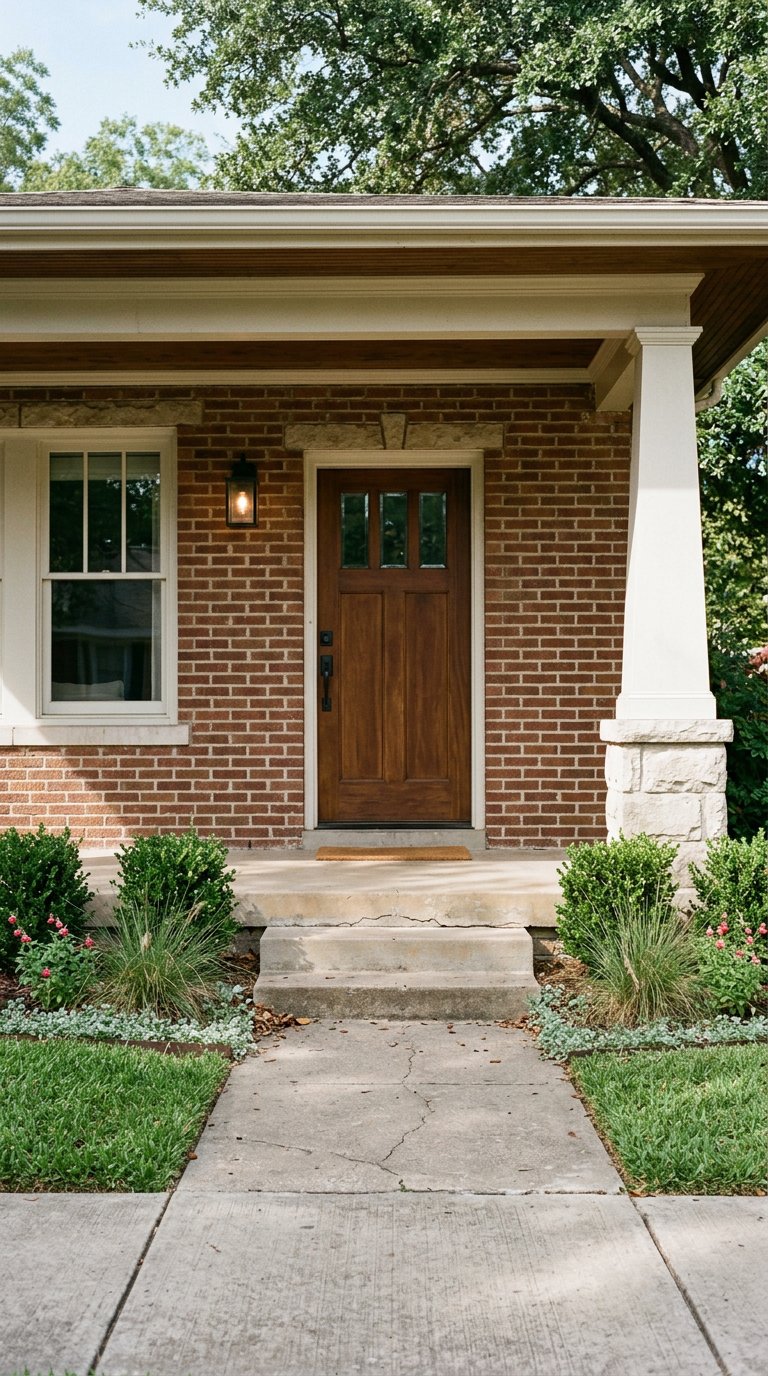
- Early-20th-century bungalows: Craftsman and bungalow-era homes line many streetcar-era blocks, offering classic curb appeal on walkable streets.
- Condos, lofts, and adaptive reuse: Near Pearl and along mixed-use corridors, you’ll see warehouse loft conversions, new condos and apartments, and townhomes.
Price snapshots and what to expect
Because sales volumes are smaller in historic districts, median prices can swing month to month. Different data sources measure different things, which can create short-term mismatches.
- Monte Vista: A January 2026 Redfin snapshot showed a median sale price near 719,000 dollars. Other metrics, like Zillow’s typical home-value index, may show different levels due to methodology and time windows.
- Tobin Hill: Early 2026 Redfin neighborhood data showed a median sale price in the low to mid 400,000 dollars range, reflecting a mix of condos, small-lot single-family homes, and newer infill.
- King William and greater Southtown: Recent snapshots placed median sold prices in the mid 400,000 to 500,000 dollars range, while listing medians can look higher due to a few restored mansions. Across Southtown, you can see a wide spread from lower 200,000s and low 300,000s for small condos and lofts up to 500,000 to 1 million dollars plus for restored historic homes.
Bottom line: treat these as ballpark indicators tied to a point in time, and plan on verifying the latest figures before you make an offer.
Historic-district rules and renovations
If you plan exterior work in Monte Vista or King William, you may need to navigate historic-district review and permitting. This can affect timelines, exterior materials, and parking or driveway decisions. Start with the Monte Vista association’s neighborhood resources and the City’s King William district page to understand the review context before planning projects.
Everyday logistics: parking, noise, and trade-offs
Central-city convenience comes with trade-offs. On busy nights and weekends, pockets near the St. Mary’s Strip and Pearl can experience more evening noise and tighter on-street parking. The St. Mary’s Strip overview provides context for why the corridor stays active after hours. If you prefer quieter evenings, look a few blocks off the main corridors or target residential streets known for lower traffic.
Is Midtown a fit for you?
Choose Midtown if you want short commutes, historic character, and an easy arts-and-dining rhythm. Expect a mix of housing ages and conditions, with preservation rules in some districts and newer infill options near activity corridors. If you value walkability and cultural access, Midtown’s pattern of parks, galleries, and restaurants can make daily life feel connected without long drives.
If you want disciplined, local guidance on homes across Midtown and central San Antonio, reach out to David Abrahams and the Abrahams Real Estate TIES Team. As a service-first team with deep neighborhood knowledge and a dedicated military and veteran program, we help you evaluate options, verify market data, and move forward with confidence.
FAQs
What does “Midtown inside 1604” mean in San Antonio?
- It refers to the central neighborhoods just north of downtown, well within Loop 1604, typically 0.5 to 3 miles from the city center, as outlined in the City’s Midtown planning framework.
How walkable is Midtown and where are the best pockets?
- Walkability is strong by San Antonio standards, with clusters in Five Points, Tobin Hill, and areas near King William; see neighborhood scores on Walk Score’s San Antonio page.
What housing styles are common in Midtown neighborhoods?
- You’ll see historic Victorians and early-20th-century bungalows alongside condos, lofts, and adaptive-reuse buildings, especially near Pearl and mixed-use corridors.
Are there special rules for renovating historic homes in Midtown?
- Yes. Monte Vista and King William have preservation rules that often require exterior design review and permits; start with Monte Vista resources and the City’s King William district page.
What do recent Midtown price snapshots look like?
- Recent snapshots (early 2026) showed Monte Vista near 719,000 dollars median sold price and Tobin Hill in the low to mid 400,000s, with King William and Southtown showing wide ranges; verify current figures before you act.
What should I expect for parking and noise near entertainment areas?
- Expect occasional evening noise and tighter on-street parking close to the St. Mary’s Strip and Pearl during peak times; consider homes a few blocks off those corridors for quieter nights.