Dreaming of a Texas getaway you can use year-round without getting on a plane? You have great options, from quiet Hill Country towns to lake houses near Austin and San Antonio to sandy stretches along the Gulf. The trick is choosing a spot that fits how you travel, how you plan to use the home, and what costs you want to carry. In this guide, you’ll compare popular Texas vacation-home areas, see what to expect for insurance, taxes and short-term rentals, and get a simple due-diligence checklist you can use on any property. Let’s dive in.
Start with how you travel
If you plan frequent weekend trips, a drive-market location usually makes the most sense. Hill Country towns and lakes near Austin and San Antonio are built for repeat, short stays. If you prefer longer seasonal trips or want higher seasonal rental income, the coast can be a better fit.
Think about how many nights you expect to use the home each month, who will be traveling with you, and whether you want to host guests. Your answers will point you toward the right region, property type, and maintenance profile.
Hill Country towns: Quiet, scenic getaways
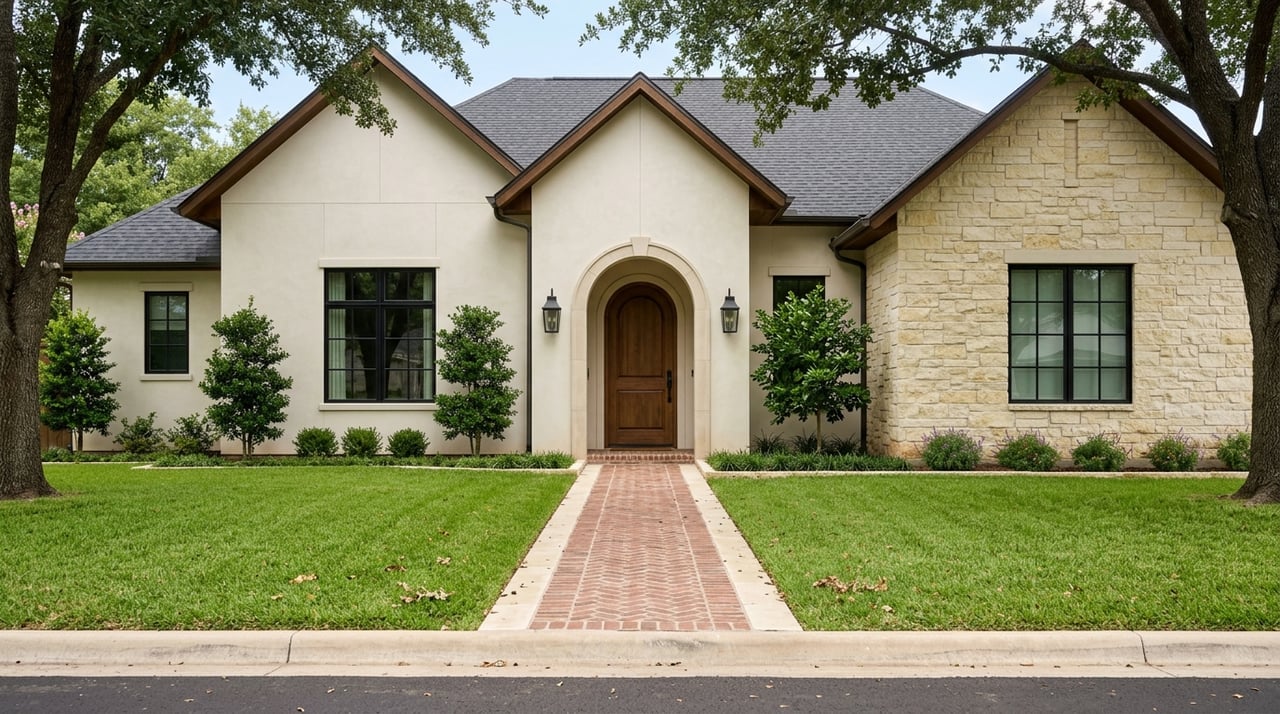
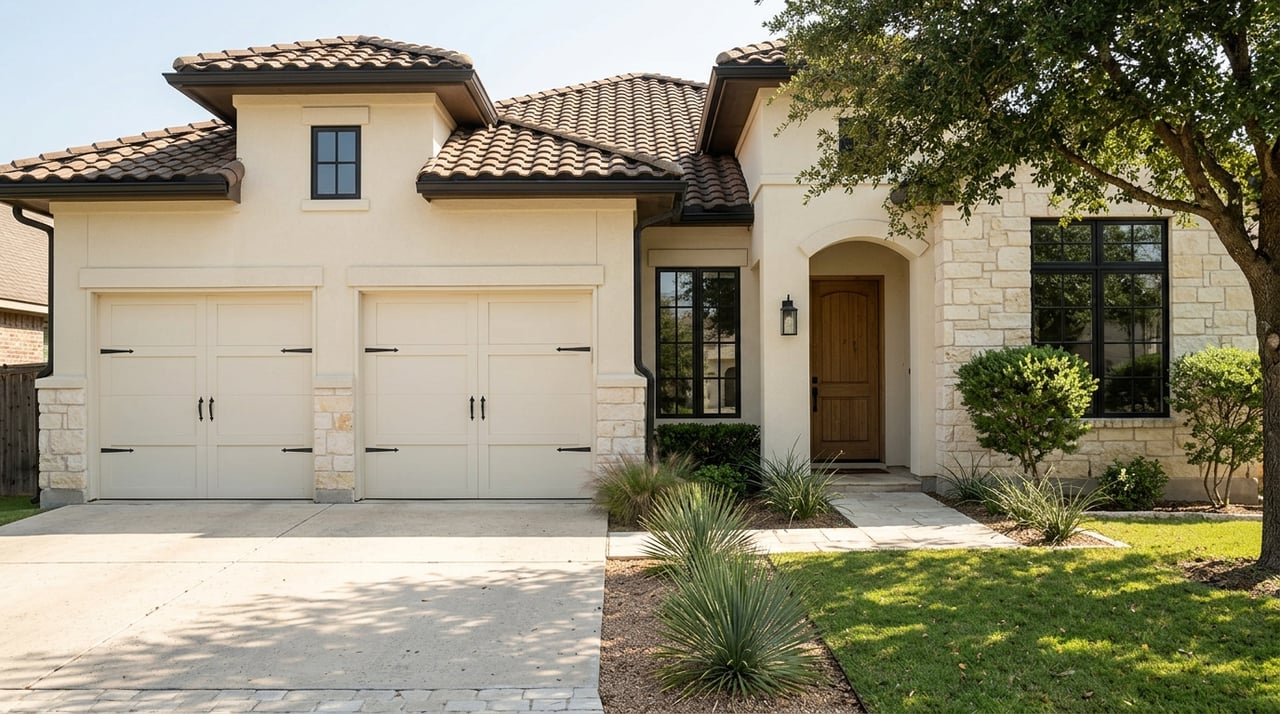
Hill Country staples like Fredericksburg, Wimberley, Boerne and Dripping Springs draw you in with wineries, scenic drives, hiking, and small-town dining. These are ideal if you want a peaceful retreat within a few hours of the I‑35 corridor.
- Best fit: Frequent weekenders who enjoy wine, parks and small-town charm.
- Property types: Cottages, cabins, small ranches, remodeled historic homes, and hilltop estates.
- Rental notes: Many towns regulate short-term rentals by zone and occupancy, and historic districts can be strict. Fredericksburg, for example, requires permits and remittance of local hotel taxes. Review the city’s program before you underwrite rental income and confirm whether a property sits inside city limits or county areas. You can start with the Fredericksburg Short-Term Rental FAQ for context: city STR permit guidance.
Pros: High amenity appeal with lower hurricane and flood exposure than the coast. Cons: Rural utilities like septic and wells require care, broadband can be limited, and some neighborhoods restrict STRs.
Lakes near Austin & San Antonio: Boating and family stays
If your perfect weekend includes a boat day, fishing at sunrise, and a patio dinner with friends, lake markets deliver. Popular options include Lake Travis and Lake Buchanan near Austin, and Canyon Lake between Austin and San Antonio.
- Best fit: Families and groups who want an easy drive, consistent water recreation, and a social lake lifestyle.
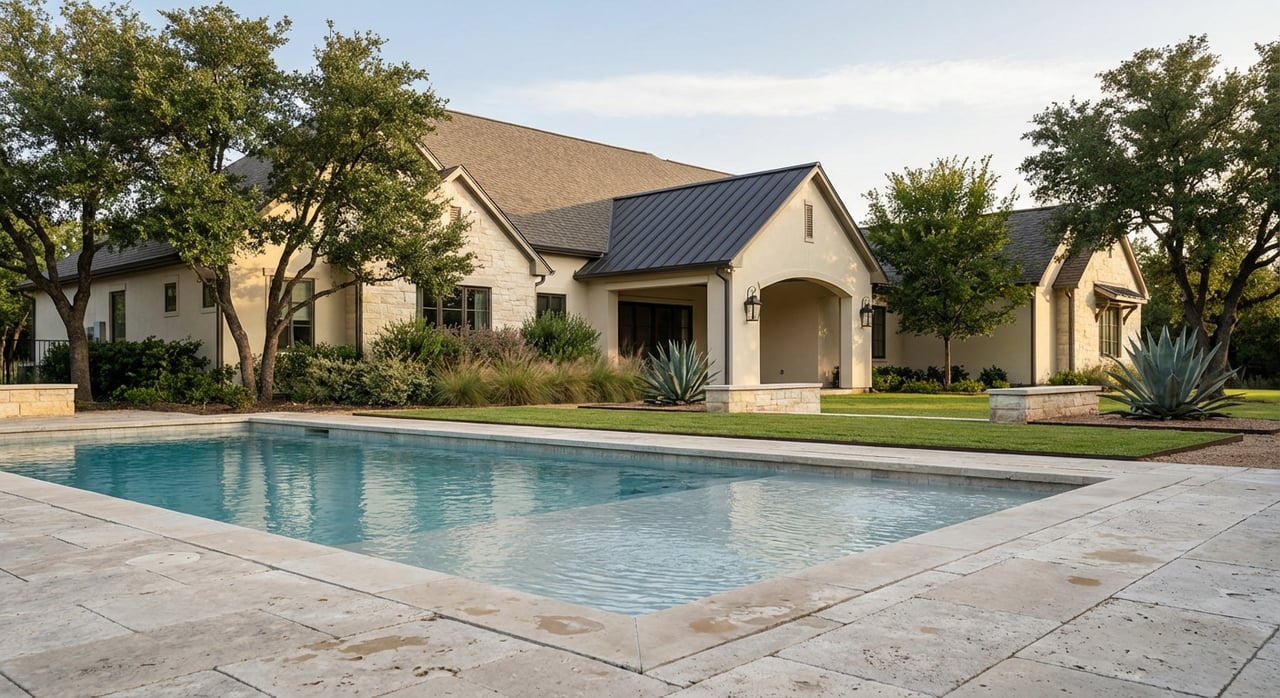
- Property types: Waterfront homes with docks, newer subdivision homes with lake access, and multi-bedroom houses set up for groups.
- Water-level reality: Central Texas reservoirs can swing with drought and rain cycles. Low water can limit boat ramp access and change guest appeal. Keep an eye on updates from the Lower Colorado River Authority for the Highland Lakes, including Lake Travis: LCRA drought and lake-level news.
- Rental notes: Many areas around Canyon Lake follow city or county STR rules, including permits, inspections, and occupancy limits. Check the New Braunfels STR guide for a sense of what to verify by parcel, including septic capacity and parking.
Pros: Strong demand from nearby metros and year-round lake appeal. Cons: Drought exposure, septic limits, steep-lot access challenges, and HOA or local STR restrictions.
Gulf Coast & barrier islands: Sand, surf and seasons
From Galveston to Port Aransas to South Padre Island, the coast is all about beaches, fishing, and sunny getaways. These markets often see strong seasonal peaks during spring and summer.
- Best fit: Owners planning seasonal stays or those comfortable with full-service rental management and seasonal cash flow.
- Property types: Beachfront condos, canal homes, and elevated single-family homes on pilings.
- Insurance reality: Coastal homes face wind, surge and flood risks. Many private insurers limit coastal exposure, which is why the Texas Department of Insurance maintains market guidance and inspection rules. Learn how the coastal market works with TDI’s overview: Texas homeowners insurance market. Some buyers obtain windstorm coverage through the Texas Windstorm Insurance Association. Review TWIA basics here: TWIA eligibility and purpose.
- Rental notes: Most coastal cities require STR registration, local hotel tax collection, and a posted license number in listings. Rules change, so verify by address before you model income.
Pros: High tourist demand and strong rates for beachfront units. Cons: Higher insurance and maintenance costs, potential evacuations, and seasonal occupancy swings.
Rules and costs that change your math
Before you fall in love with a view, confirm the rules that change annual carrying costs.
- Property taxes and exemptions: In Texas, the residence homestead exemption applies only to your primary home. Vacation homes typically do not qualify, which means you should plan for the full local tax rate. Get details from the Texas Comptroller: homestead exemption rules.
- Financing and classification: Lenders treat a second home differently from an investment property. If you plan to rent primarily, the loan may be underwritten as an investment, which usually means a higher down payment and reserves. Review general definitions in the Fannie Mae guide: occupancy types.
- Rental and tax treatment: The IRS personal-use rules affect what you can deduct and how you report income and expenses. See the IRS overview for vacation homes in Publication 527: IRS Publication 527.
- Insurance and hazards: Inland homes face hail and severe storms, while coastal homes carry windstorm and flood risk. TDI’s statewide guidance is a helpful primer, and coastal buyers can explore TWIA information linked above.
Maintenance realities by region
Every vacation-home type comes with upkeep you should plan for ahead of time.
- Coast: Elevated foundations, corrosion-resistant materials, and stronger roof systems add to both initial and ongoing costs. Salt air speeds wear on metals, fixtures, and window systems.
- Lakes and Hill Country: Septic and well systems need routine care. Driveways can erode on steep grades, and brush clearing may be necessary to manage wildfire risk. Water-level swings can affect dock usability, while HOA rules often shape parking and boat storage.
- All markets: Budget for guest-ready standards if you plan to rent. That includes safety inspections, durable furnishings, smart locks, and rapid-response maintenance.
STR compliance is local. Verify by address.
Short-term rental rules change by city and can differ inside city limits versus nearby county areas. For example, Austin requires STR registration and has specific rules for permit categories and renewals. You can review Austin’s process here: Short-Term Rental Registration Program.
Across Texas, most cities collect a local portion of Hotel Occupancy Tax in addition to the state’s 6 percent rate. Some booking platforms collect the state portion automatically, but local collection varies. Your underwriting should reflect both rates, permit fees, inspection timelines, and occupancy caps.
A simple decision framework
Use these steps to narrow your search before you tour properties.
- Map your use pattern
- Weekend and drive-friendly: Hill Country or lakes near Austin and San Antonio.
- Seasonal stays or heavier rental plans: Gulf Coast or barrier-island markets.
- Match the home to activities
- Wine, hiking, small-town dining: Hill Country.
- Boating, fishing, family groups: Lake markets.
- Beach, surf, and salt air: Gulf Coast.
- Model total annual costs
- Taxes without a homestead exemption, hazard insurance loads, STR permit and HOT, utilities and maintenance.
- Pressure-test your rental plan
- Confirm permits, occupancy limits, and who collects HOT. Build seasonality into your revenue forecast and keep buffers for regulation changes.
Your Texas vacation-home due-diligence checklist
Use this checklist on any property. Document answers in writing and save copies for your files.
- Jurisdiction and zoning: Is the home in city limits, ETJ, or county? The answer controls STR rules and inspections. For Austin, start with the STR registration program.
- STR legality and permits: What permit type is allowed at this address? What inspections, occupancy caps, and renewal rules apply? Fredericksburg’s FAQ is a good example of required documentation: city STR permit guidance.
- Taxes and remittances: Confirm state HOT and any local HOT rate. Verify whether your booking platform collects the local share or if you must file directly with the city.
- Flood and wind risk: Pull the FEMA Flood Insurance Rate Map for the parcel and ask about elevation certificates if applicable: FEMA Map Service Center. Coastal buyers should also verify windstorm inspection requirements and potential TWIA eligibility: TWIA basics.
- Insurance availability and quotes: Request sample homeowners, wind/hail, and flood quotes. TDI publishes helpful market context: Texas homeowners insurance overview.
- Water, septic, and lake access: For lake homes, confirm dock rights, well output, and septic system capacity relative to intended occupancy. Review lake-level updates, such as LCRA lake-level news.
- HOA and deed restrictions: Get the covenants and rules in writing. Do not rely on verbal statements about STR allowances.
- Local property management: If you will not be nearby, identify a reliable manager and 24/7 contact. Some cities require a local contact within set response times.
- Travel logistics: Check realistic drive times, peak-season traffic, airport access, and contractor availability for remote areas.
- Tax and legal guidance: Confirm homestead rules with the Comptroller and speak with a CPA on IRS vacation-home rules. Review both before you finalize your budget: Texas homestead exemptions and IRS Publication 527.
How our team helps you decide with confidence
You deserve a calm, well-run process that gets you from idea to keys in hand. As a San Antonio–based team that serves the I‑35 corridor to Austin, Hill Country towns, and nearby lake communities, we help you compare locations, vet properties, and line up the right experts for insurance, inspections, and STR compliance.
- Local guidance, mission mindset: Our TIES values mean you get Trust, Integrity, Expertise, and Service at every step.
- Turnkey touring and analysis: We set up private tours, virtual showings, and side-by-side comparisons of carrying costs.
- STR-ready support: We coordinate with city offices, verify permit paths, and connect you with reputable managers.
When you are ready to explore Texas vacation homes, reach out to David Abrahams to book a consultation.
FAQs
What Texas region works best for frequent weekend trips?
- Hill Country towns and lakes near Austin and San Antonio fit short, repeat stays because they are easy drive markets with consistent recreation.
How do short-term rental permits work in Austin and San Antonio?
- Both cities require STR permits, safety compliance, and hotel tax reporting; permit types and occupancy rules vary by address, so confirm the parcel’s jurisdiction before buying.
Will my Texas vacation home get a homestead exemption?
- No, homestead exemptions apply to your principal residence only, so plan for the full local property tax rate on a second home.
What insurance should I expect for a Gulf Coast beach house?
- You will likely need homeowners plus separate windstorm and flood coverage; some coastal areas rely on TWIA for wind if private insurers limit coverage.
How do lake levels affect a Lake Travis or Canyon Lake purchase?
- Drought-driven level changes can limit ramp and dock access, which may impact your use and rental appeal; check local reservoir updates and plan for variability.