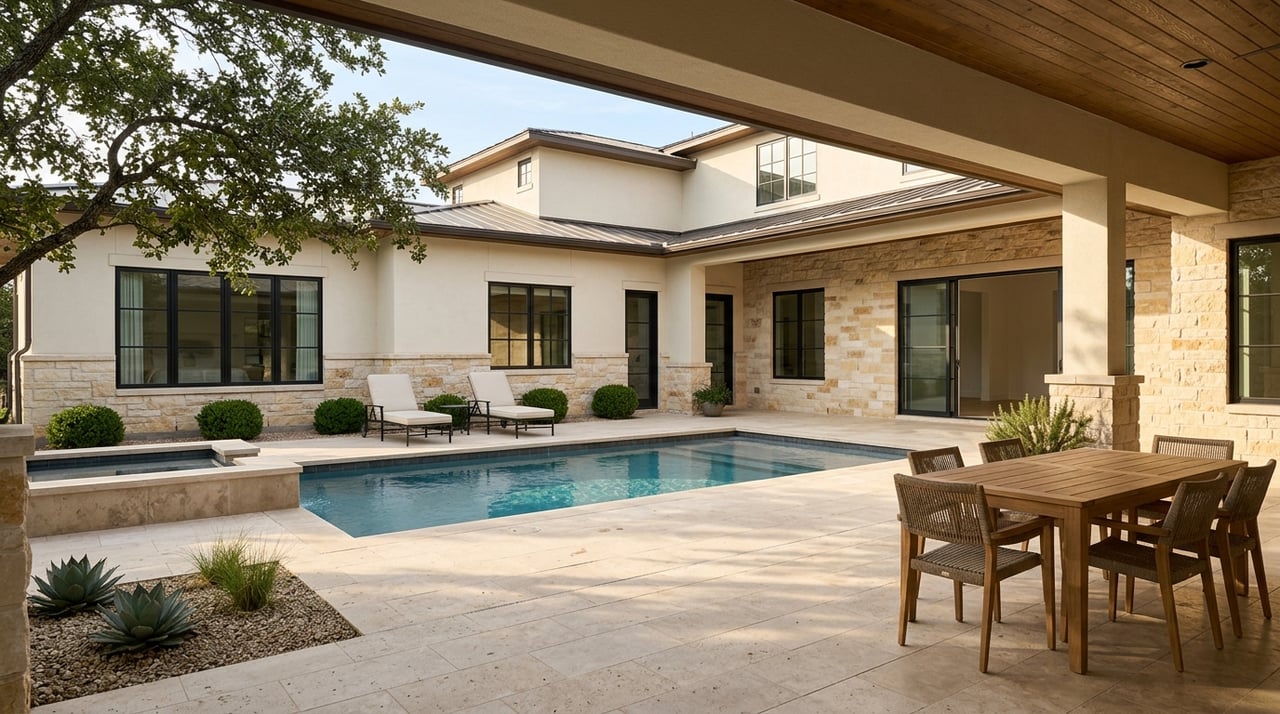
Dreaming about a Texas vacation home but not sure which setting fits your life best? That choice can feel exciting and a little overwhelming, especially when each option offers a very different experience. If you are deciding between a lake house, a Hill Country retreat, or a beach property, this guide will help you compare the lifestyle, upkeep, and practical tradeoffs so you can move forward with confidence. Let’s dive in.
Why Your Vacation Home Setting Matters
A vacation home is not just about the house itself. It is also about how you want to spend your weekends, holidays, and downtime throughout the year.
In Texas, most second-home buyers narrow their search to three lifestyle paths: lake communities, Hill Country properties, and Gulf Coast beach towns. Each one brings its own rhythm, recreation options, and ownership considerations, so the best choice depends on how you want to use the property.
Lake Homes in Texas
Lake homes are often the first choice for buyers who picture mornings on the water, afternoons on the dock, and easy access to boating or fishing. In Central Texas, Canyon Lake and the Highland Lakes are two of the most practical starting points for buyers looking from San Antonio or Austin.
Canyon Lake is in Comal County, about 20 miles from New Braunfels and 36 miles from San Antonio. The U.S. Army Corps of Engineers lists camping, picnicking, fishing, boating, hiking, and wildlife watching among the main recreation uses there. For many buyers, that makes it a strong nearby option for a true weekend retreat.
The Highland Lakes offer another major lake-home path in Central Texas. According to LCRA, the chain is known for swimming, boating, and recreation, making it a key search area for Austin-area vacation-home buyers.
What lake living feels like
Lake ownership tends to work well if you want a repeatable, water-centered routine. You may spend your time boating, fishing, entertaining outdoors, or simply enjoying direct access to the shoreline.
This option often appeals to buyers who want their vacation property to feel active and social. If your ideal getaway includes loading up the cooler, heading to the dock, and spending the day on the water, lake living may be your best fit.
What to know before buying a lake home
Not every Texas lake behaves the same way. LCRA says no Highland Lake is constant-level, and Lake Travis and Lake Buchanan are designed to fluctuate, while Inks, LBJ, Marble Falls, and Austin usually stay within a smaller range but can still change during floods.
That matters because water levels affect shoreline expectations, dock placement, and day-to-day use. A property that looks perfect at one water level may feel different during another season.
Lake ownership also comes with maintenance near the water’s edge. LCRA notes that fluctuating lake levels can expose lakebed and increase vegetation growth, especially near Buchanan and Travis, and owners may need to clear debris or repair retaining walls and bulkheads under applicable notification and permit rules.
Safety is another practical factor. LCRA warns that submerged trees, drop-offs, and strong currents are not always visible, so buyers should be prepared for thoughtful recreation planning, not just the fun side of waterfront ownership.
Hill Country Retreats in Texas
If your idea of a vacation home is peace, views, and room to breathe, the Hill Country may be the right direction. This region is part of the Edwards Plateau and is known for rolling terrain, springs, stony hills, steep canyons, and granite features near Fredericksburg.
The Hill Country also covers a broad part of Central Texas. Travel Texas identifies it as a 29-county tourism region that includes the Austin-Round Rock metro area, which helps explain why it remains one of the most popular choices for buyers looking for a scenic second home.
What Hill Country living feels like
Hill Country ownership is usually more land-focused than water-focused. Instead of planning your weekends around a dock or beach access, you may picture scenic drives, outdoor dining, trail time, dark skies, and a quieter retreat atmosphere.
This setting often suits buyers who value privacy and natural character. It can be especially appealing if you want a getaway that feels tucked away but still connected to destination towns, parks, shopping, and dining.
Outdoor access and recreation
The Hill Country is strongly tied to outdoor recreation. Texas Parks and Wildlife describes Hill Country State Natural Area as a former ranch northwest of San Antonio with primitive camping, backpacking, nature watching, and multiuse trails for hikers, mountain bikers, and horseback riders.
Travel Texas also highlights parks, nightlife, culinary experiences, and shopping across the broader Hill Country region. That mix gives buyers a little more flexibility if they want both quiet surroundings and places to explore nearby.
What to know before buying in the Hill Country
Hill Country properties come with a different type of stewardship. Instead of shoreline concerns, you may need to think more about land management, weather shifts, and access during dry conditions.
Texas Parks and Wildlife notes that fire danger can change rapidly and burn bans may be posted with little notice in some areas. For buyers considering acreage or a more remote retreat, that is an important part of planning how you will use and maintain the property.
Beach Homes on the Texas Coast
For some buyers, a vacation home should feel like a true escape. If you want sand, surf, and a setting that feels distinct from inland Texas, the Gulf Coast may be your best match.
Texas has 367 miles of beaches and more than 3,300 miles of bays and estuaries. According to Texas Parks and Wildlife and the Texas General Land Office, the coast includes barrier islands, marshes, estuaries, and bays, creating a very different environment from lake or Hill Country ownership.
What beach living feels like
Beach homes tend to deliver the strongest getaway atmosphere. Many buyers are drawn to the sound of the surf, open shoreline views, fishing access, beach walks, and a more casual coastal rhythm.
If you want your second home to feel clearly separated from your everyday routine, this option can be especially attractive. It often fits buyers who are comfortable traveling a bit farther in exchange for that island or beachfront feel.
Port Aransas vs. Galveston
Port Aransas offers a classic barrier-island experience. Its tourism bureau says the area has 18 miles of continuous beach and shoreline, and local beach rules address issues like driving on some beach stretches, leash requirements, dune restrictions, and surf-safety signage.
Galveston offers a different coastal feel. It has 32 miles of shoreline and a more developed island setting, with historic streets and year-round infrastructure close to the Gulf.
In simple terms, Port Aransas may suit buyers who want a more recreation-driven beach environment, while Galveston may appeal more to those who want a blend of coastal access, history, and established island amenities.
What to know before buying a beach home
Coastal ownership usually involves more regulation and more environmental exposure than inland vacation homes. The Texas General Land Office says public access to Gulf Coast beaches is a constitutional right in Texas, and local coastal communities must adopt beach-access and dune-protection plans that shape construction standards and beach-user rules.
Insurance is also a major part of the decision. The Texas Department of Insurance says coastal homeowners may need separate windstorm coverage, often through TWIA, and lenders near the coast often require it. TDI also notes that most homeowners policies do not cover flood damage, so flood coverage is a separate decision.
Comparing Lake, Hill Country, and Beach Homes
Before you choose a setting, it helps to compare how each option affects your daily use and long-term ownership experience.
| Option | Best For | Main Lifestyle | Key Ownership Considerations |
|---|---|---|---|
| Lake | Boating, fishing, water access | Dock days, waterfront gatherings, repeat weekend routines | Water-level changes, shoreline upkeep, dock and safety planning |
| Hill Country | Privacy, views, outdoor access | Scenic retreats, trails, quiet time, destination towns | Land upkeep, weather shifts, fire conditions, burn bans |
| Beach | Sand, surf, coastal character | Island getaways, beach walks, fishing, shoreline time | Dune rules, beach-access requirements, windstorm and flood insurance |
How Texas Buyers Can Narrow the Choice
A simple way to decide is to start with how you want to spend your time. If boating is the main priority, lake communities usually make the most sense.
If privacy, scenery, and outdoor recreation matter more than direct water access, the Hill Country is often the stronger fit. If what you really want is sand, surf, and a true coastal getaway, a beach home may be worth the added insurance and regulatory planning.
For San Antonio-area buyers, Canyon Lake is a practical nearby lake comparison, and the Hill Country is often the most natural first alternative because it begins just northwest of the city. For Austin-area buyers, the Highland Lakes are a core benchmark in the search process.
Which Texas Vacation Home Is Right for You?
The right vacation home is the one that fits your lifestyle, not just your wish list. A lake home may be perfect if you want water-centered weekends. A Hill Country retreat may be the better choice if you want quiet views and room to unwind. A beach property may be the answer if you want a place that feels like a real coastal escape.
When you compare these options carefully, you can buy with more clarity and fewer surprises. If you are exploring lake communities, Hill Country properties, or vacation-home opportunities near San Antonio and across Central Texas, David Abrahams can help you find the setting that best matches the way you want to live.
FAQs
What is the best type of Texas vacation home for boating?
- Lake homes are usually the best fit if boating and direct water access are your top priorities, with Canyon Lake and the Highland Lakes being key Central Texas options.
What makes a Hill Country vacation home different from a lake home?
- A Hill Country vacation home is typically more focused on scenery, privacy, trails, and outdoor space, while a lake home is more centered on boating, fishing, and shoreline use.
What should buyers know about Texas beach home insurance?
- Texas coastal buyers should expect to review windstorm coverage and separate flood coverage, since the Texas Department of Insurance says flood damage is generally not covered by standard homeowners policies.
What should buyers know about water levels at Texas lake homes?
- Buyers should know that Highland Lakes are not constant-level lakes, and water fluctuations can affect shoreline conditions, dock placement, and maintenance expectations.
What is the closest vacation home option for San Antonio buyers?
- For many San Antonio buyers, Canyon Lake and the nearby Hill Country are the most practical starting points because they offer easier access for weekend use.
What should Texas vacation-home buyers compare before choosing a location?
- You should compare recreation style, maintenance needs, insurance factors, and local rules so the property matches how you actually want to use it.