If you only have a weekend to buy in San Antonio, you do not have time to wing it. This is a big, spread-out city, and with a mean commute time of 24.5 minutes, the wrong showing plan can leave you spending more time in the car than inside homes. The good news is that with the right prep, a focused route, and a clear decision framework, you can use two days wisely and move forward with confidence. Let’s dive in.
Start With a Tight Game Plan
A weekend house-hunting trip works best when you make most of your decisions before you ever get on the plane or in the car. That means narrowing your target areas, understanding your budget, and eliminating homes that do not fit your needs.
San Antonio’s size matters here. With a population estimated at 1,548,422 in July 2025, this is not a market where you can casually bounce from one side of town to the other and still get a clear feel for your options. If you are a working professional, your time is better spent comparing a few commute-friendly areas instead of trying to see everything.
Know Your Real Monthly Budget
Before you schedule tours, decide what payment actually feels comfortable month to month. Focus on the full housing cost, not just principal and interest.
That monthly number can include:
- Property taxes
- Homeowners insurance
- Mortgage insurance, if applicable
- HOA dues
- Flood insurance, if applicable
This step matters because a home that looks affordable on the listing price alone may feel very different once all ownership costs are included. A preapproval is helpful, but it is based on assumptions, it is not a guaranteed loan offer, and it often expires in 30 to 60 days.
Handle Financing Before the Trip
If you are serious about making an offer, get prequalified or preapproved before your weekend search. That way, you can act quickly if the right home appears.
If upfront costs are a concern, eligible first-time buyers may want to explore the City of San Antonio’s HIP-80 program for down-payment and closing-cost assistance. One key detail is that applicants must first be prequalified with a lender.
Cut Your List Before Saturday
A productive weekend starts with a shortlist, not a giant wish list. Use virtual tours, neighborhood maps, and your lender paperwork to rule out non-starters before the trip.
Aim to arrive with a small group of homes that already match your price range, commute, and must-haves. This helps you stay focused and lowers the risk of wasting prime showing hours on homes you were never likely to choose.
Choose Neighborhoods by Commute and Lifestyle
When your search window is short, the smartest approach is to sort San Antonio neighborhoods into simple buckets. Instead of comparing every listing in every area, compare places based on how you actually live.
A helpful framework is to think in terms of commute-first, lifestyle-first, and value-first choices. That keeps your weekend organized and makes your final decision clearer.
Commute-First Areas
If your work schedule is busy, start with the route you will drive or ride most often. In a city this large, shaving even a modest amount off your daily commute can improve your quality of life.
Official neighborhood guides can help you frame the search. Downtown is the urban core, known for its city-center setting, historical character, and walkable feel. Alamo Heights is described as a short hop from downtown and includes mature trees, boutiques, eateries, and historic bungalow homes.
La Cantera District offers another useful contrast. It is positioned in North Central San Antonio, about 25 minutes north of downtown, and is known for shops, dining, entertainment, and Hill Country views.
Lifestyle-First Areas
Some buyers care just as much about their free time as their commute. If that sounds like you, focus on areas where your surroundings match the way you want to spend evenings and weekends.
Southtown is known for its artistic energy and includes areas such as King William, Collins Garden, Lavaca, Lone Star, and Roosevelt. The Cultural Corridor can appeal to buyers who want museums, outdoor amenities, and cultural attractions near the center of town, including the Witte Museum, San Antonio Botanical Garden, and the zoo.
These areas may deserve extra time on your weekend schedule because the neighborhood feel can be just as important as the home itself. A block that works for you on paper should also feel right in person.
Transit-Oriented Options
If you want a car-light lifestyle or simply want transit as a backup, check routes before you tour. VIA serves 14 member cities and unincorporated Bexar County, operates seven days a week on 75 routes, and offers trip-planning tools.
Its network includes downtown service, express routes, and Prímo corridors. Those options can change which neighborhoods make sense for your schedule, so it is worth reviewing trip times before your weekend begins.
Build a Smarter Weekend Itinerary
A fast search does not mean rushing. It means using a disciplined plan that lets you compare homes clearly and save energy for the final decision.
The biggest mistake many buyers make is touring homes in the order the alerts came in. In San Antonio, that can create a long, exhausting day with very little useful comparison.
Cluster Showings by Geography
Plan Saturday around location, not listing order. Group homes by corridor or neighborhood so you can spend more time evaluating and less time driving.
For example, you might spend one block of time in Downtown and nearby areas, another in Alamo Heights or the Cultural Corridor, and another in North Central areas such as La Cantera. That structure makes it easier to compare homes that compete with each other in your real life.
Use a Two-Pass System
If possible, do not rely on a single quick showing. Your first pass should focus on layout, condition, and overall fit.
Your second pass should focus on the surroundings. Visit again at a different time of day and pay attention to parking, traffic noise, nearby retail, and the general feel of the block. In downtown-adjacent and Southtown-style areas, this second look can be especially important.
Keep Notes You Can Actually Use
After the third or fourth home, details start to blur together. Take simple notes after every showing so you can remember what stood out.
Track the same categories for each property, such as:
- Commute convenience
- Monthly payment estimate
- Layout and room flow
- Property condition
- Parking and noise
- Neighborhood feel
- Red flags or follow-up questions
A consistent note system can save you from making a decision based on emotion alone late Sunday afternoon.
Do Not Skip Flood and Drainage Checks
In San Antonio, flood and drainage review deserves its own step on your checklist. This is not something to treat as a minor detail, especially if a home is near a creek, low area, detention feature, or visible drainage path.
The City of San Antonio’s Contours & Hydrology map lets users view watersheds, flood plains, detention areas, and basins. FEMA identifies its Flood Map Service Center as the official public source for flood-hazard information.
Questions to Raise During the Weekend
If a home looks promising, ask direct questions and verify what you can. This is one of the easiest ways to avoid surprises after you are emotionally invested.
You may want to review:
- Whether the property is near a mapped flood plain
- Nearby drainage features or detention areas
- Whether flood insurance may be required
- Any signs of water movement around the lot
- How the lot sits relative to the street and neighboring homes
This step is especially important when you have limited time, because pressure can make buyers overlook practical issues.
Protect Yourself Before You Offer
A short house-hunting trip should not lead to a rushed contract. If you find a strong fit, move decisively, but keep the right protections in place.
Inspection and contingency language matter. Buyers should ask about inspection terms and financing-related contingencies so they are not contractually locked in if serious flaws appear or financing falls through.
What a Strong Offer Mindset Looks Like
Being prepared is different from being careless. In a market where buyers can still be selective, the goal is to know what you want and be ready to act when a home checks the right boxes.
Recent public market trackers describe San Antonio as somewhat competitive rather than overheated. The practical takeaway is simple: you may have room to evaluate carefully, but you should not move slowly once a true match appears.
Make the Final Decision With a Scorecard
By Sunday, you may have two or three serious contenders. When that happens, your best tool is a simple scorecard that keeps the decision grounded in daily life, not just weekend excitement.
Rate each home based on the factors that will matter after move-in. This is especially useful for busy professionals who need a purchase to support both work demands and personal routines.
What to Compare Side by Side
Use a scorecard that includes:
- Commute
- Full monthly payment
- Flood or drainage risk
- HOA burden
- Property condition
- Neighborhood fit
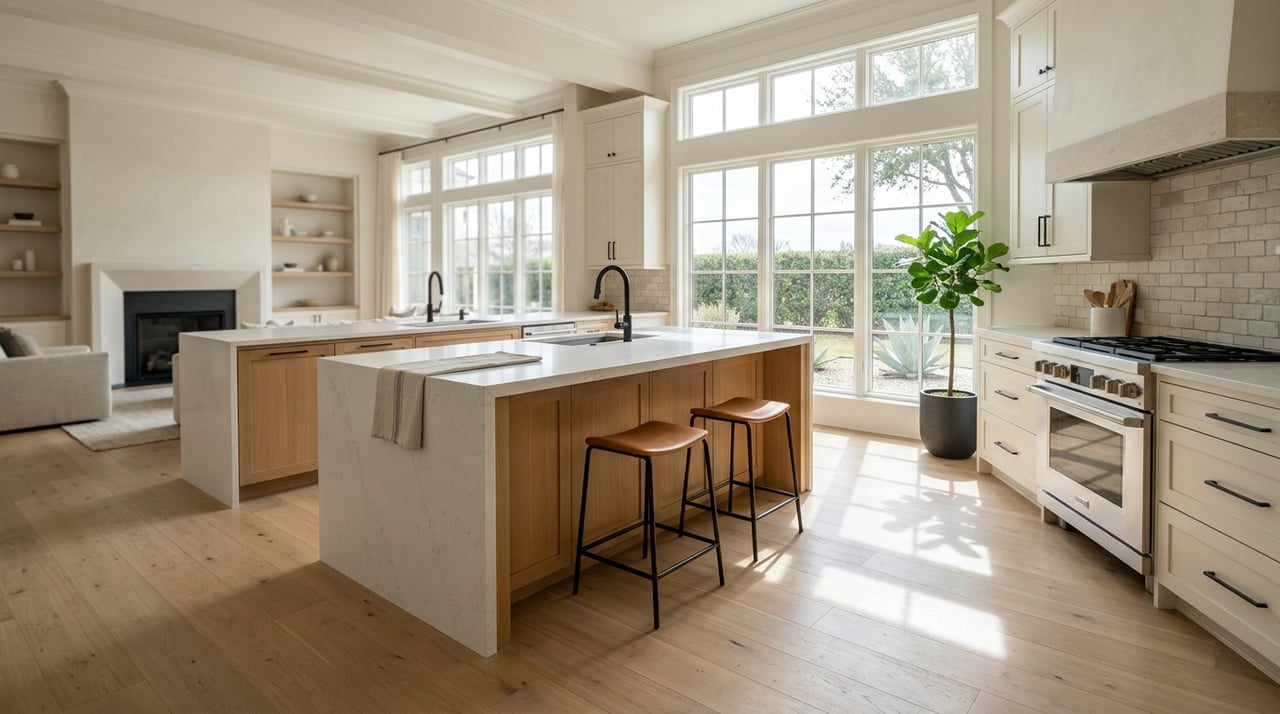
This process helps you separate a home that is merely attractive from one that truly works. A beautiful kitchen is great, but a manageable commute, predictable monthly costs, and a location that fits your life often matter more over time.
Why Team Support Matters on a Fast Timeline
When you are trying to house-hunt in one weekend, process matters. You need timely scheduling, clear communication, local guidance, and a plan that keeps every hour productive.
That is where a disciplined, team-based approach can make a real difference. For working professionals, relocators, and long-distance buyers, having strong preparation, virtual-tour support, and structured next steps can turn a stressful weekend into a focused buying strategy.
If you are planning a quick San Antonio search and want a clear, efficient game plan, David Abrahams can help you narrow neighborhoods, organize showings, and move forward with confidence.
FAQs
How should working professionals plan a weekend house-hunting trip in San Antonio?
- Start with lender prep, a real monthly budget, and a shortlist of homes and neighborhoods based on commute and lifestyle so you can spend your weekend touring efficiently.
Which San Antonio areas are helpful to compare during a short home search?
- A practical weekend comparison may include Downtown for urban access, Alamo Heights for close-in convenience, La Cantera District for North Central options, and Southtown or the Cultural Corridor for lifestyle-focused buyers.
What costs should buyers include when budgeting for a San Antonio home?
- Look at the full monthly payment, including principal, interest, property taxes, insurance, mortgage insurance if applicable, HOA dues, and possible flood insurance.
What should buyers check about flood risk when touring homes in San Antonio?
- Review whether the property is near flood plains, watersheds, detention areas, or drainage features, and verify flood-hazard information before moving forward.
How quickly should buyers act after finding the right San Antonio home?
- Be ready to act once a home fits your commute, budget, condition, and neighborhood goals, but keep inspection and financing protections in your contract.