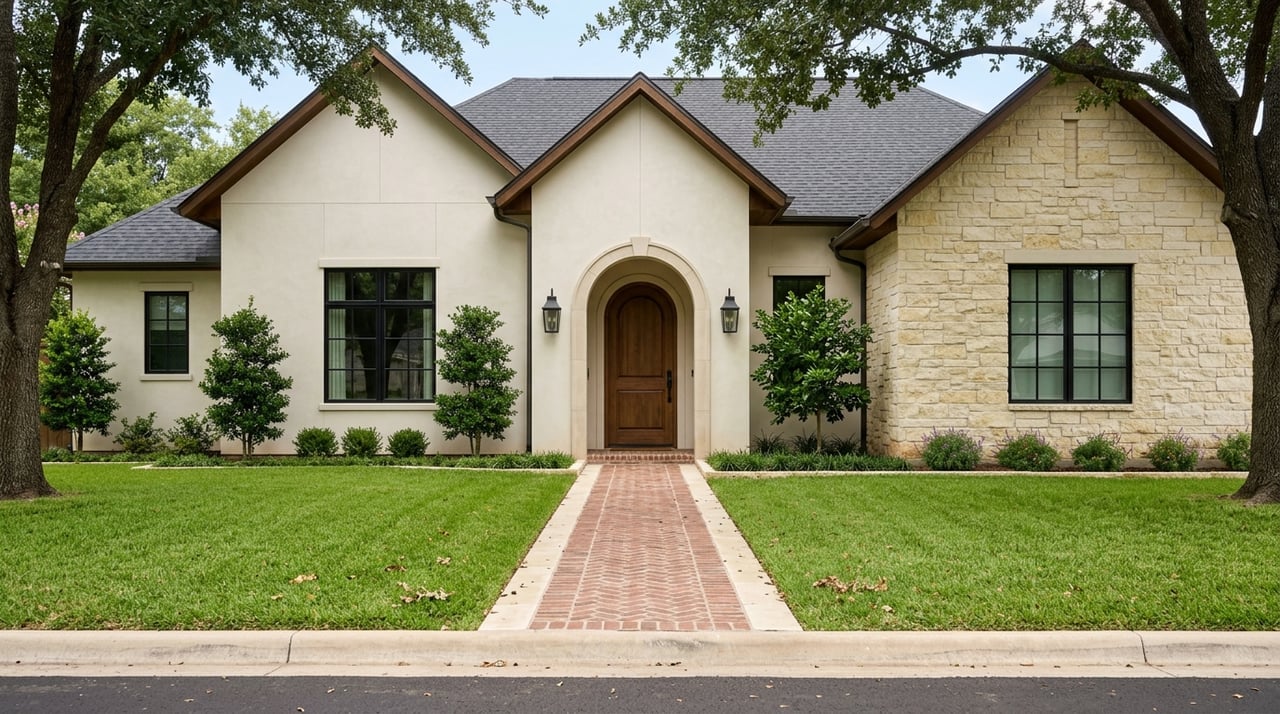
Wondering what it’s really like to buy a home in Uptown inside Loop 410? This part of San Antonio can be exciting, but it is not a simple, one-size-fits-all market. If you are considering Alamo Heights, Terrell Hills, Olmos Park, or nearby pockets, you need to know how the homes, lot rules, and local processes can shape your search. Let’s dive in.
Uptown inside 410 is not one neighborhood
One of the biggest things to understand is that “Uptown inside 410” describes a cluster of established communities, not one uniform subdivision. Alamo Heights sits about 4.5 miles north of downtown San Antonio, Terrell Hills is about five miles northeast of downtown, and Olmos Park is about four miles north of downtown and about five miles south of the airport.
That location gives you a compact, close-in lifestyle. Official city information also points to nearby shopping, restaurants, clinics, gyms, salons, and other daily services that help make this area feel convenient and established.
For many buyers, that means you are not just choosing a house. You are also choosing between separate cities, distinct blocks, and different development patterns that can feel very different from one street to the next.
What daily life feels like here
If you are moving from a newer suburban area, this part of San Antonio may feel more mature and more layered. Streets, lot shapes, and home styles often reflect decades of development rather than a single master plan.
That can be a real advantage if you want character and proximity. Alamo Heights, Terrell Hills, and Olmos Park all offer a more compact setting with established services nearby, and AHISD is a common point of reference because the district covers Alamo Heights, Terrell Hills, Olmos Park, and parts of north San Antonio.
Just as important, local governance plays a larger role here than many buyers expect. Alamo Heights, Terrell Hills, and Olmos Park each maintain their own city processes, and that can affect everything from renovations to permitting.
Expect varied homes and lot patterns
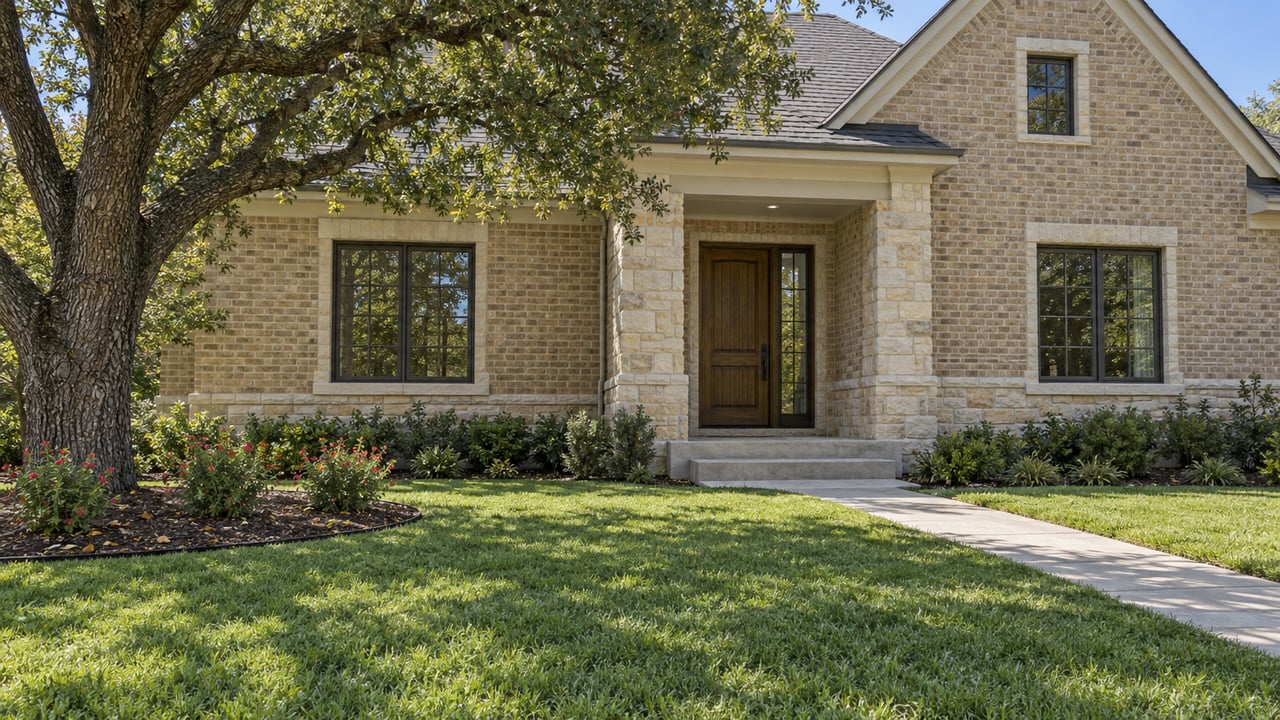
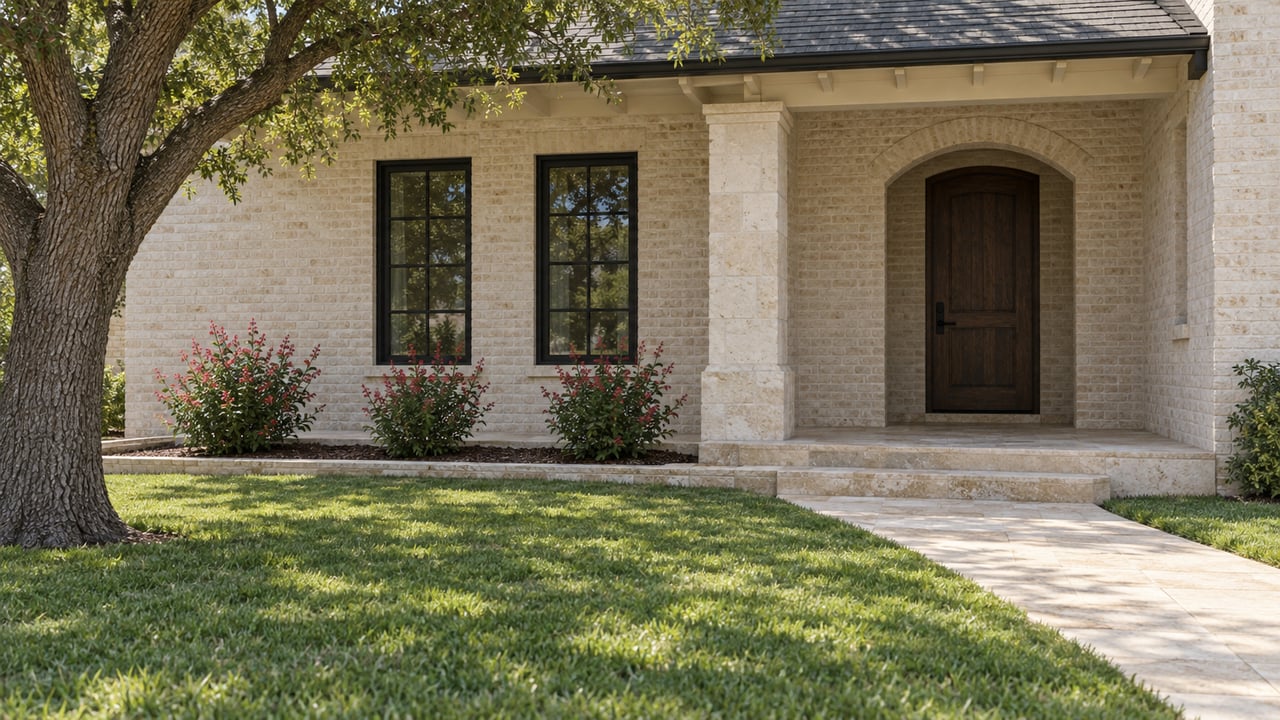
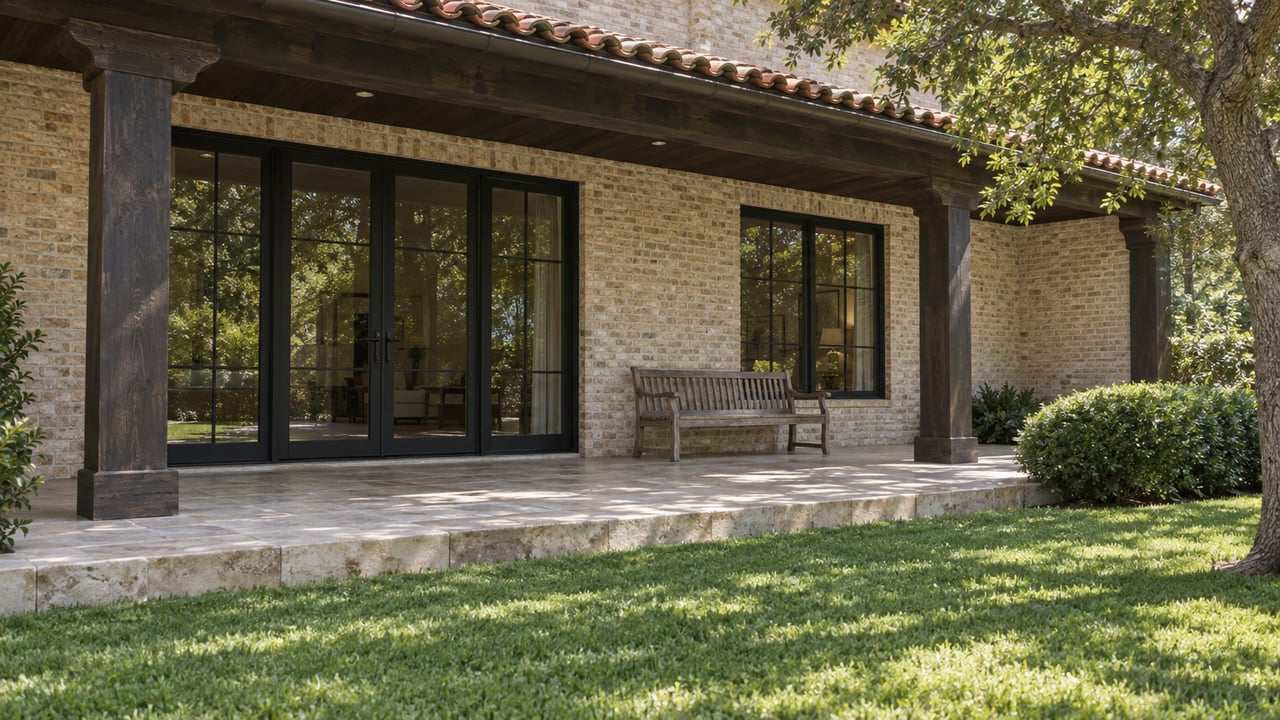
If you are hoping for a neighborhood where every house looks and lives the same, this is probably not it. In Alamo Heights especially, the housing stock developed in stages, which created a mix of home ages, architectural styles, large lots, mature trees, and streets that often follow the natural contours of the land.
Even within Alamo Heights, different pockets have different physical traits. Some areas are known for stone and brick homes with retaining walls and rear alleys, while others have heavily wooded lots, smaller one-story homes with detached garages, or larger irregular lots with more front-yard parking.
Olmos Park also stands out for its tree canopy, large lots, and architectural distinction. Terrell Hills adds another layer of variety because its zoning standards respond in part to lot width, which means neighboring homes may sit on very different parcel types.
Why lot rules matter when you buy
In this area, lot size and building envelope are not small details. They can directly affect how a home functions now and what you may be able to do with it later.
In Alamo Heights, single-family standards include minimum lot areas and widths, along with front, side, and rear setbacks, lot coverage limits, floor-area-ratio limits, and parking requirements. Terrell Hills also uses dimensional standards tied to parcel width, plus building coverage and FAR limits.
What does that mean for you as a buyer? It means a home’s future potential may be more constrained than it would be in a newer neighborhood with looser standards. If you are thinking about adding square footage, reworking a garage, building a pool, or changing outdoor spaces, the lot rules deserve early attention.
Renovation potential is not just about budget
Many buyers in Uptown inside 410 fall in love with older homes and immediately start thinking about updates. That makes sense, but in these neighborhoods the bigger question is often not just what you want to change. It is also what the city or district will allow.
Alamo Heights has an Architectural Review Board that reviews demolition cases, certain larger projects, and some residential matters. Zoning and variance issues may also involve additional city processes.
Olmos Park requires permits for new construction and for a wide range of work, including enlarging, altering, repairing, moving, improving, removing, converting, or demolishing a structure. The city also requires surveys or plats before permits for some additions and site improvements, and it requires blueprints for larger additions, second-story additions, and higher-cost renovations.
Historic context can affect your plans
Another point buyers sometimes miss is that not every similarly named area works the same way. For example, Olmos Park Terrace is a separate local historic district and is not the same as Olmos Park proper.
That matters because Olmos Park Terrace is subject to the City of San Antonio’s Historic Design Guidelines and district review process. If you are considering a home there, exterior changes and design decisions may involve a different level of review than you first expect.
This is one reason due diligence matters so much in central San Antonio. A home’s location on the map may tell only part of the story. The city, district, and property-specific rules can all shape what is realistic.
The market can be competitive, but uneven
Buyers often assume this area is always fast and fierce across the board. The data shows a more nuanced picture.
According to the February 2026 SABOR local market report, Alamo Heights had 5 closed sales, a median price of $1,145,000, 5.3 months of inventory, and 35 days on market. Terrell Hills had 4 closed sales, a median price of $638,855, 10.7 months of inventory, and 106 days on market. Olmos Park had 4 closed sales, a median price of $1,162,750, 6.2 months of inventory, and 87 days on market.
Because those monthly sales counts are small, you should treat the numbers as a snapshot rather than a fixed long-term average. Still, they help illustrate an important point: conditions can vary noticeably from one city and price point to another.
What this means for your offer strategy
In practical terms, you should be ready to act decisively on the right house. At the same time, you may need to look beyond price alone.
In a market with older homes, varied lots, and more renovation complexity, condition matters. Lot utility matters. The likely scope of future updates matters. A dated house on a strong lot may present one kind of opportunity, while a polished home with more limited expansion flexibility may present another.
That is why careful evaluation is so important here. The best purchase is not always the one with the flashiest finishes. It is often the one that best fits your long-term use, your tolerance for projects, and the city rules tied to that property.
Smart questions to ask before you buy
If you are shopping in Uptown inside 410, go into each showing with a sharper checklist than usual. These neighborhoods reward informed buyers.
Consider asking questions like these:
- Which city governs this property: Alamo Heights, Terrell Hills, Olmos Park, or San Antonio?
- Are there known permit or review requirements for the updates you have in mind?
- Is the lot shape, width, or setback pattern likely to limit future expansion?
- Has the home been updated in phases, or does it still have major systems or design work ahead?
- If the property is in or near a historic area, what exterior changes may require review?
These questions can help you compare homes more accurately. They can also protect you from buying a property that looks perfect on day one but proves less flexible than expected.
Who tends to do well in this market
Buyers who succeed here usually stay flexible and focus on fit, not perfection. They understand that one block may offer a very different experience from the next, even within the same general area.
You will likely do best if you can balance speed with discipline. That means moving quickly when the right property appears, while still paying close attention to condition, lot constraints, and local approval processes.
This approach is especially helpful if you are relocating from out of town or balancing a major life transition. A clear plan can reduce stress and help you make confident decisions in a market with a lot of nuance.
Buying with confidence in Uptown inside 410
Uptown inside 410 offers something many buyers want but cannot always find in newer areas: location, character, mature trees, and a sense of place. But those benefits come with tradeoffs, especially when homes vary widely in age, condition, lot geometry, and renovation potential.
If you go in expecting a layered market instead of a uniform one, you will be in a much stronger position. With the right guidance, you can identify which homes are worth moving fast on and which ones deserve a deeper look before you commit.
If you are thinking about buying in Alamo Heights, Terrell Hills, Olmos Park, or nearby Uptown neighborhoods, David Abrahams can help you navigate the process with clear guidance, local insight, and the disciplined service you need from first tour to closing.
FAQs
What does Uptown inside 410 include for home buyers?
- In this context, it generally refers to close-in established areas such as Alamo Heights, Terrell Hills, Olmos Park, and nearby pockets inside Loop 410 rather than one single uniform neighborhood.
What should buyers expect from homes in Alamo Heights, Terrell Hills, and Olmos Park?
- You should expect a mix of home ages, architectural styles, lot sizes, and renovation levels rather than a consistent tract-home pattern.
What should buyers know about renovations in Olmos Park and Alamo Heights?
- Buyers should expect local permit and review processes to play a major role, especially for additions, major renovations, demolition, and some exterior changes.
What should buyers know about Olmos Park Terrace before purchasing?
- Olmos Park Terrace is a separate local historic district, not the same as Olmos Park proper, and it is subject to the City of San Antonio’s historic design review process.
What does the current market snapshot show for buying a home in Uptown inside 410?
- The February 2026 SABOR snapshot shows small sales counts and varying market conditions by area, which suggests buyers should stay ready to act while also evaluating condition, lot utility, and renovation scope carefully.