If you are thinking about selling in Uptown Inside 410, timing probably feels like the big question. But in this part of San Antonio, strategy usually matters more than chasing a perfect week to list. When you understand how hyper-local pricing, presentation, and buyer behavior work in neighborhoods like Alamo Heights, Terrell Hills, and nearby inner-loop pockets, you can make smarter decisions from day one. Let’s dive in.
Why Uptown Inside 410 Is Different
“Uptown Inside 410” is not a single official jurisdiction. In practice, it often refers to established inner-loop areas around Alamo Heights, Terrell Hills, and Olmos Park, where location, lot characteristics, home condition, and street-by-street appeal can shape value in a big way.
That matters because broad San Antonio averages do not tell the full story here. The City of Alamo Heights notes its compact size, close-in location, and long-standing residential character, while Terrell Hills is also defined by its small footprint and established history. In neighborhoods like these, block-level comps are often more useful than metro-wide numbers.
What the San Antonio Market Means for Sellers
The broader San Antonio market is balanced, not overheated. According to SABOR’s February 2026 market report, the metro had 5.51 months of inventory, 102 days on market, and homes sold at 91.9% of original list price on average.
That kind of market creates a clear message for sellers. You can still sell successfully, but you should not count on limited inventory alone to do the work for you. In a balanced market, buyers tend to compare options carefully, which makes pricing discipline and launch quality even more important.
SABOR’s 2025 residential market review reinforces that pattern. Inventory has expanded, prices have remained relatively steady, and the outlook points to measured growth rather than dramatic spikes.
Why Hyper-Local Pricing Matters
One of the biggest mistakes a seller can make in Uptown Inside 410 is relying too much on a headline number. In small, established neighborhoods, monthly data can swing quickly because the sample size is small.
For example, SABOR’s February 2025 local market report showed just 4 closed residential sales in Alamo Heights and 4 in Terrell Hills for that month. With so few transactions, one renovated home, one estate property, or one outlier sale can shift the median in a major way.
That is why your pricing strategy should focus on:
- Recent comparable sales in your immediate area
- Similar lot size, condition, and architectural style
- Update level and overall presentation
- Street position, privacy, and outdoor usability
- Current competition that buyers will see side by side
In other words, you are not pricing against “San Antonio.” You are pricing against the homes a buyer will compare with yours this week.
Should You Wait for Spring?
Many sellers assume waiting for spring is the safest move. Sometimes that works, but it is not a guaranteed advantage in a balanced market.
When inventory is meaningful and days on market are longer, the better question is not “What month is best?” but “Will my home hit the market fully prepared?” Based on SABOR’s balanced-inventory trends, it is reasonable to conclude that a strong launch with the right price often matters more than trying to time a narrow seasonal window.
If you list before you are ready, you can lose momentum fast. If you wait too long for a perfect moment, you may miss buyers who are active now and ready to act decisively.
Presentation Can Change the Outcome
In Uptown Inside 410, presentation is not a luxury add-on. It is part of the selling strategy.
According to the National Association of Realtors 2025 buyer snapshot, all buyers used the internet during their home search, 81% said listing photos were the most useful feature, 79% valued detailed property information, 57% found floor plans useful, and 41% valued virtual tours. That means your online presentation often shapes the first showing before anyone walks through the door.
For sellers in this area, that points to a high-quality digital package that may include:
- Professional photography
- Thoughtful photo sequencing
- Floor plans
- 3D tours
- Detailed feature descriptions
- A property microsite
These tools align well with the premium digital marketing approach offered by the Abrahams Real Estate TIES Team. In neighborhoods where homes often have unique layouts, mature landscaping, and long-term update histories, better digital storytelling helps buyers understand the property before they visit.
Is Staging Worth It?
In most cases, yes. Staging helps buyers connect with a home faster and can support both value perception and time on market.
The NAR 2025 staging snapshot found that 83% of buyers’ agents said staging made it easier for buyers to visualize a property as a future home. The same report found that 49% said staging reduced time on market, and 29% said it increased dollar value offered by 1% to 10%.
That does not mean every home needs the same staging plan. In Uptown Inside 410, the goal is usually to highlight what makes the property feel functional, well cared for, and easy to understand. The most important rooms are often the living room, primary bedroom, and dining room, which also matches NAR’s findings on the spaces most commonly staged.
Highlight Character Without Losing Clarity
Older and established neighborhoods often have more architectural personality than newer subdivisions. That can be a real strength, but only if buyers can quickly understand the home’s flow, condition, and livability.
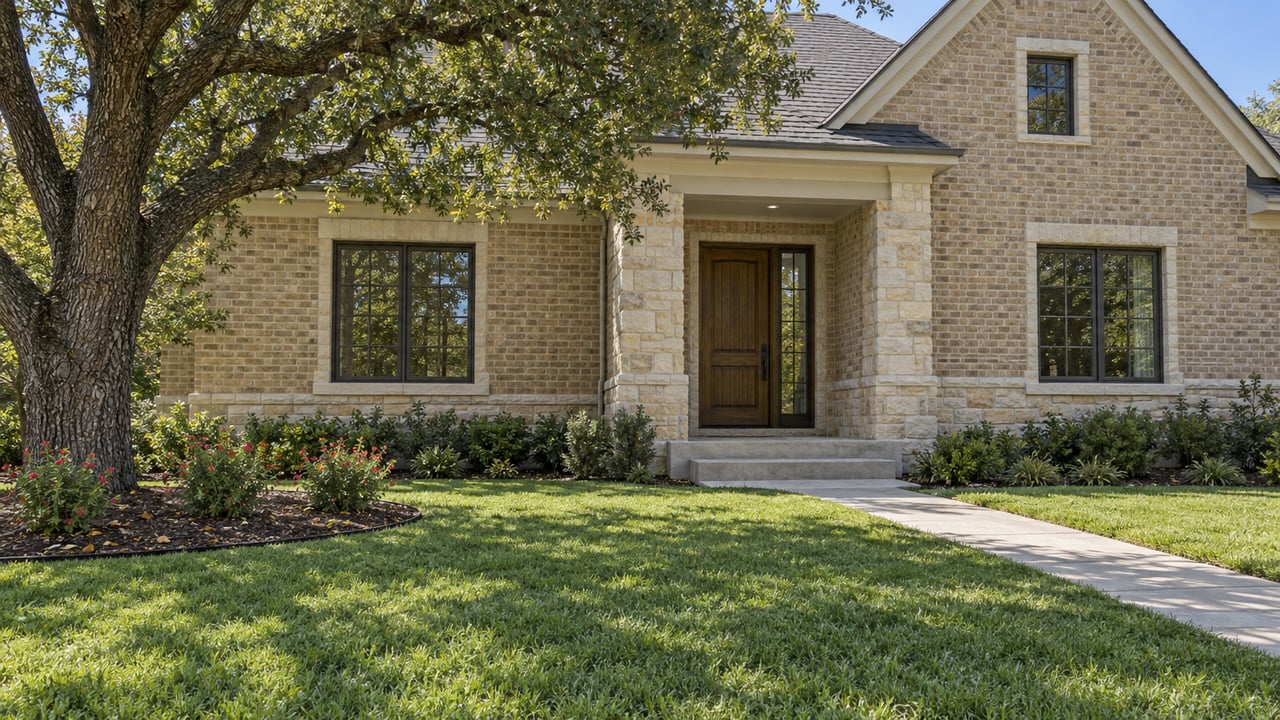
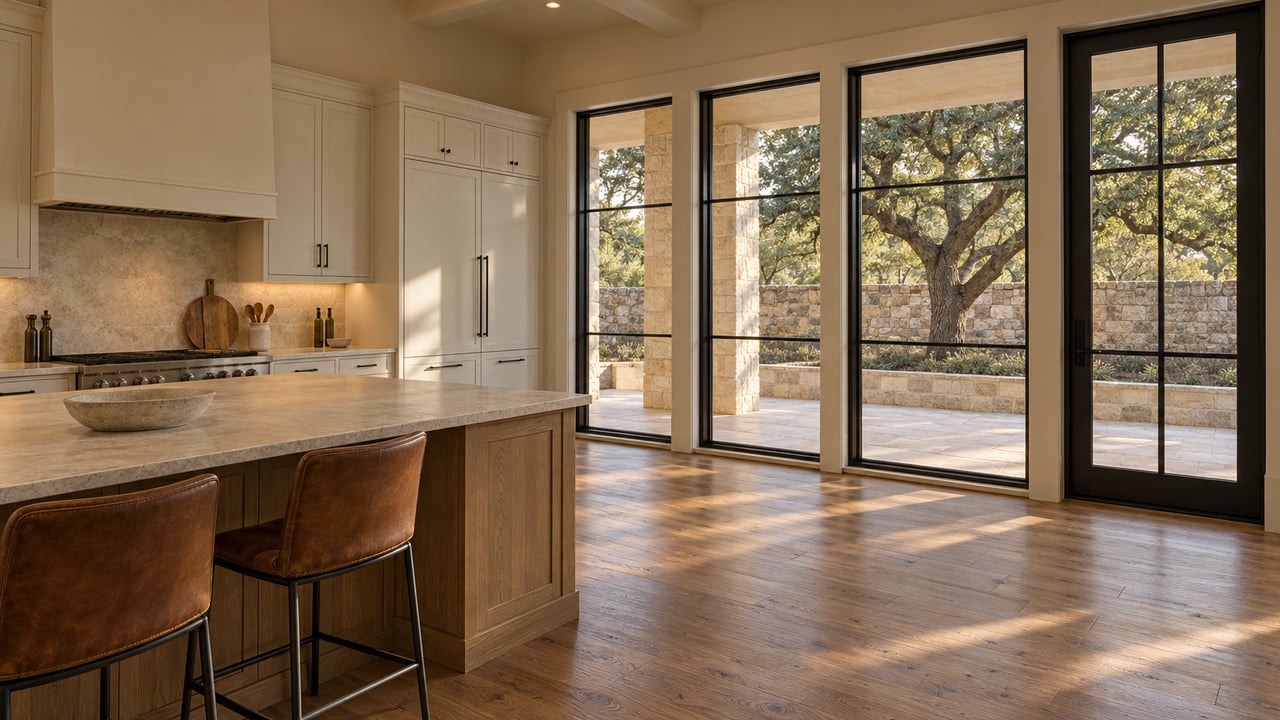
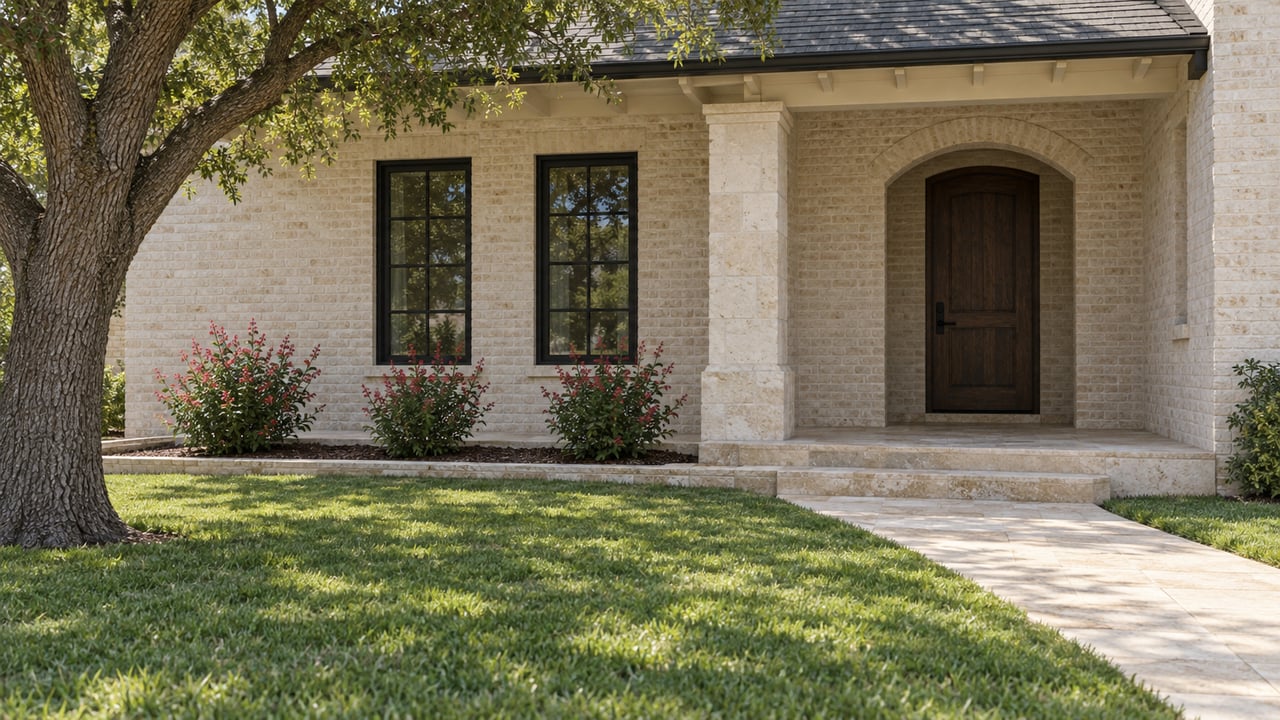
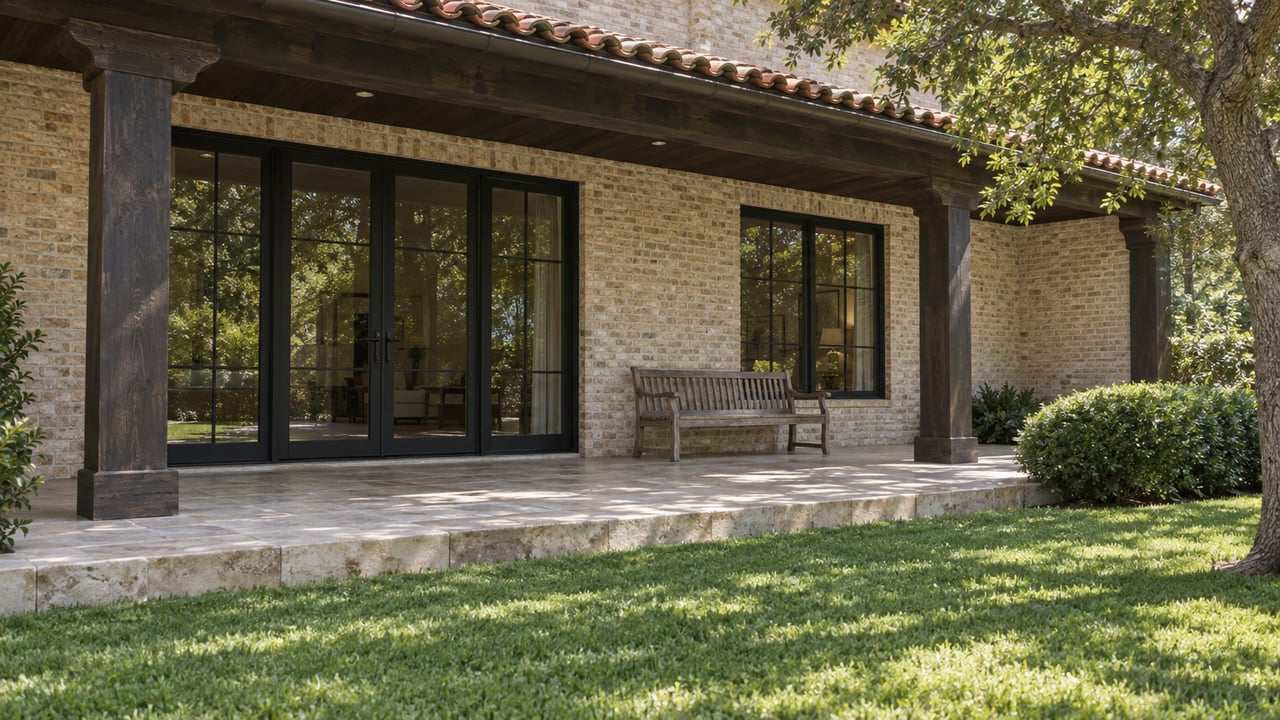
The history of Alamo Heights emphasizes preserved trees, larger lots, and natural charm. In a setting like this, marketing should show more than surface style. Buyers want to see light, room flow, storage, yard usability, and the story of updates over time.
That means your prep plan should focus on making the home feel polished and easy to read, not generic. Clean sight lines, repaired deferred maintenance, intentional styling, and clear update documentation can all help support confidence.
Know the Likely Buyer Pool
Selling strategy gets stronger when you understand who may be shopping for your home. National data suggests many buyers and sellers in established neighborhoods are not first-time participants. They are often repeat buyers, long-tenured owners, move-up households, or downsizers.
According to NAR’s 2025 generational trends report, repeat buyers made up 79% of all buyers, baby boomers were 53% of sellers, and the median tenure in a home before selling reached 11 years. The same report also found that 30% of repeat buyers paid all cash.
For you as a seller, that means some buyers may be equity-rich and ready to move quickly when the property feels right. It also means your own next move may be just as important as the listing itself.
Your Sale and Next Move Should Work Together
Many Uptown Inside 410 sellers are not simply cashing out and moving on. They may be buying a newer home, moving to a different size home, relocating, or coordinating a long-distance transition.
NAR reports that 50% of sellers purchased a newer home and 34% purchased a bigger home. SABOR also noted that higher mortgage rates have especially affected move-up sellers who are locked into low existing rates. That can make decision-making slower, even for homeowners with strong equity.
This is where a process-driven plan matters. Instead of treating the listing as a separate event, it helps to build a coordinated timeline that covers:
- Home preparation and staging
- Pricing analysis and launch timing
- Marketing rollout
- Showing strategy and feedback review
- Offer evaluation
- Purchase or relocation planning for your next home
That kind of structure is especially useful if you want a smoother experience, fewer surprises, and better control over timing.
A Smart Selling Plan for Uptown Inside 410
If you want the simplest way to think about selling here, start with three priorities: price accurately, present beautifully, and plan your move early.
A strong strategy often includes:
- Hyper-local comp analysis instead of relying on broad averages
- Pre-listing prep that improves condition and clarity
- Staging focused on key rooms and daily livability
- Premium digital marketing, including 3D tours and a property microsite
- A realistic timeline for both the sale and your next step
In a neighborhood-driven market, sellers usually get the best results when they combine local expertise with disciplined execution. That is especially true in inner-loop areas where each street, lot, and home story can affect demand.
If you are considering selling in Uptown Inside 410, a thoughtful plan can help you move with more confidence and less guesswork. When you are ready to talk through pricing, timing, and presentation, connect with David Abrahams to book a consultation or request a free home valuation.
FAQs
How local should home pricing be in Uptown Inside 410?
- Very local. In small inner-loop neighborhoods like Alamo Heights and Terrell Hills, limited monthly sales can make broad averages less reliable than immediate comparable sales.
Is staging important when selling a home in Uptown Inside 410?
- Yes. NAR data shows staging helps buyers visualize the home, can reduce time on market, and may improve the value buyers are willing to offer.
Should you wait until spring to sell a home in Uptown San Antonio?
- Not always. In a balanced market, strong pricing and presentation can matter more than waiting for a specific season.
What marketing assets help sell a home in Uptown Inside 410?
- Professional photography, floor plans, 3D tours, detailed property information, and a property microsite can all help buyers engage with the home online.
What types of buyers are common in established inner-loop San Antonio neighborhoods?
- Many are repeat buyers, long-tenured homeowners making a change, move-up buyers, downsizers, or equity-rich buyers who may be able to act quickly.
Why is selling strategy important in Alamo Heights and nearby neighborhoods?
- Because these neighborhoods often have small sales volumes, older housing stock, and highly specific buyer expectations, which makes pricing, preparation, and launch quality especially important.